Protein is the one nutrient almost everyone agrees on: it helps you build and keep muscle, it’s the most filling macronutrient, and eating enough of it makes fat loss noticeably easier. What people disagree on is how much. This guide gives you a clear number for your goal and a practical way to reach it.
The short answer
- Minimum for general health: 0.8 g per kilogram of body weight per day (about 0.36 g per pound). This is the official Recommended Dietary Allowance.
- If you exercise or want to build muscle: 1.6 g/kg per day (about 0.7 g per pound) captures most of the benefit, with up to 2.2 g/kg (1 g per pound) as a sensible upper target.
- If you’re losing fat: aim for the higher end, 1.8 to 2.2 g/kg, to help protect muscle while you’re in a calorie deficit.
For a 75 kg (165 lb) person, that works out to roughly 60 g a day at the minimum, 120 g for an active person, and up to 165 g during a focused fat-loss phase.
Why the official number is a minimum
The RDA of 0.8 g/kg was designed to prevent deficiency in the general population. It was never meant to be the optimal intake for someone who trains, wants to change their body composition or is getting older. A large 2018 meta-analysis of 49 studies found that the muscle-building benefits of extra protein kept increasing up to around 1.6 g/kg per day, roughly double the RDA.
Needs also rise with age. Older adults respond less strongly to protein at each meal, so many researchers suggest 1.0 to 1.2 g/kg as a baseline for people over 65, and more for those who strength train.
How to spread protein across the day
Your body uses protein best when it arrives in regular doses rather than one huge dinner. A practical target is 25 to 40 g of protein per meal across three or four meals, which lines up with research suggesting around 0.4 g/kg per meal.
A typical day at about 140 g might look like this:
- Breakfast (35 g): a chocolate peanut butter protein smoothie
- Lunch (49 g): Greek yogurt chicken salad wraps
- Snack (24 g): high-protein chocolate mousse
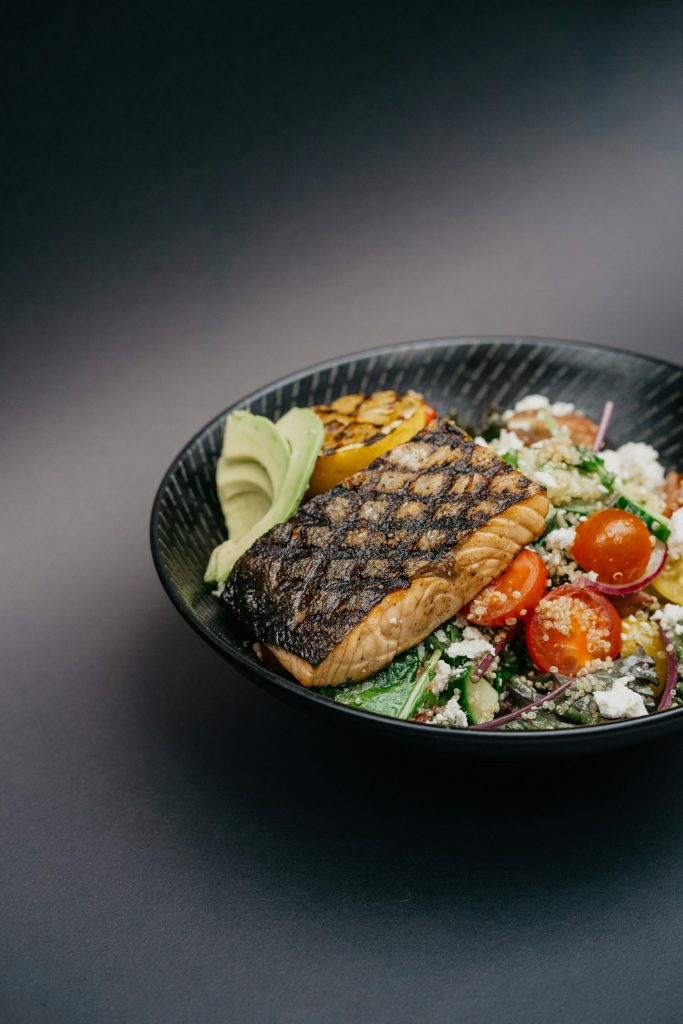
- Dinner (37 g): baked salmon with lemon herb quinoa
The easiest ways to eat more protein
Build every meal around a protein
Decide on the protein first, then add vegetables and carbs. It’s the single habit that makes the biggest difference.
Keep ready-to-eat protein in the fridge
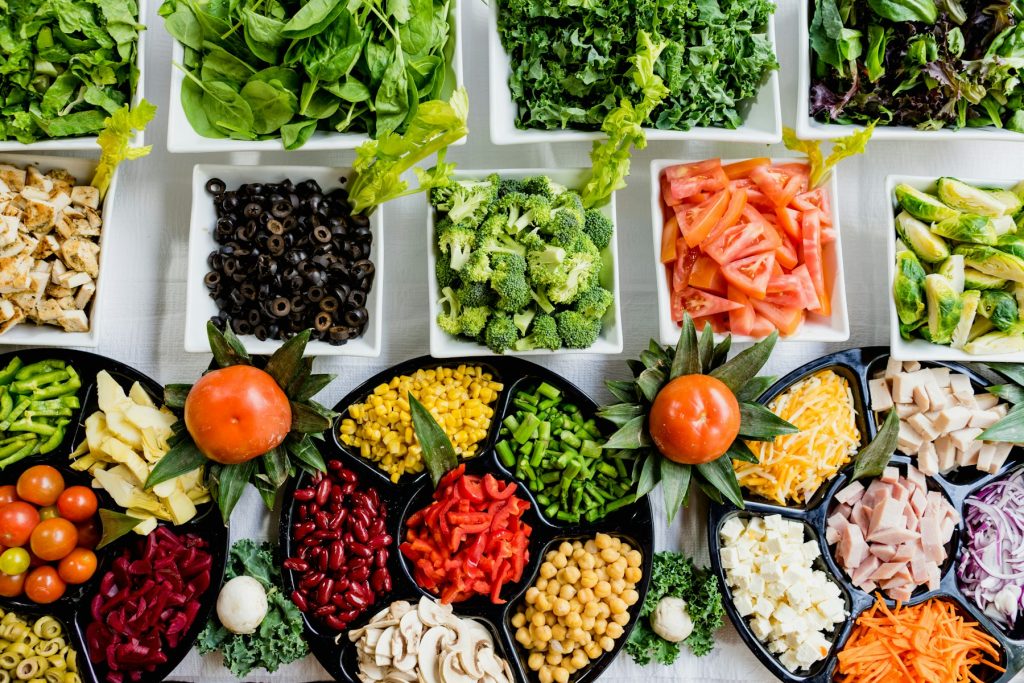
Greek yogurt, cottage cheese, cooked chicken, hard-boiled eggs, canned tuna and tofu turn a snack into a high-protein one with no cooking.
Upgrade what you already eat
Swap regular yogurt for Greek yogurt, add beans or lentils to soups and pasta, choose chickpea pasta, or stir cottage cheese into scrambled eggs.
Use protein powder as a tool, not a crutch
A scoop of whey or plant protein adds 20 to 25 g for about 120 calories. It’s convenient, but whole foods bring fiber, vitamins and minerals that powders don’t.
Is a high-protein diet safe?
For healthy adults, intakes up to about 2 g/kg per day have not been shown to harm the kidneys or bones in controlled studies. If you have kidney disease or another medical condition, talk to your doctor before increasing your intake significantly.
The bottom line
Most active people do best on 1.6 to 2.2 g of protein per kilogram of body weight, spread across three or four meals. Start by adding a clear protein source to every meal, and let recipes do the rest of the work. Browse our high-protein recipes or get a done-for-you week with the 7-Day High-Protein Meal Plan.