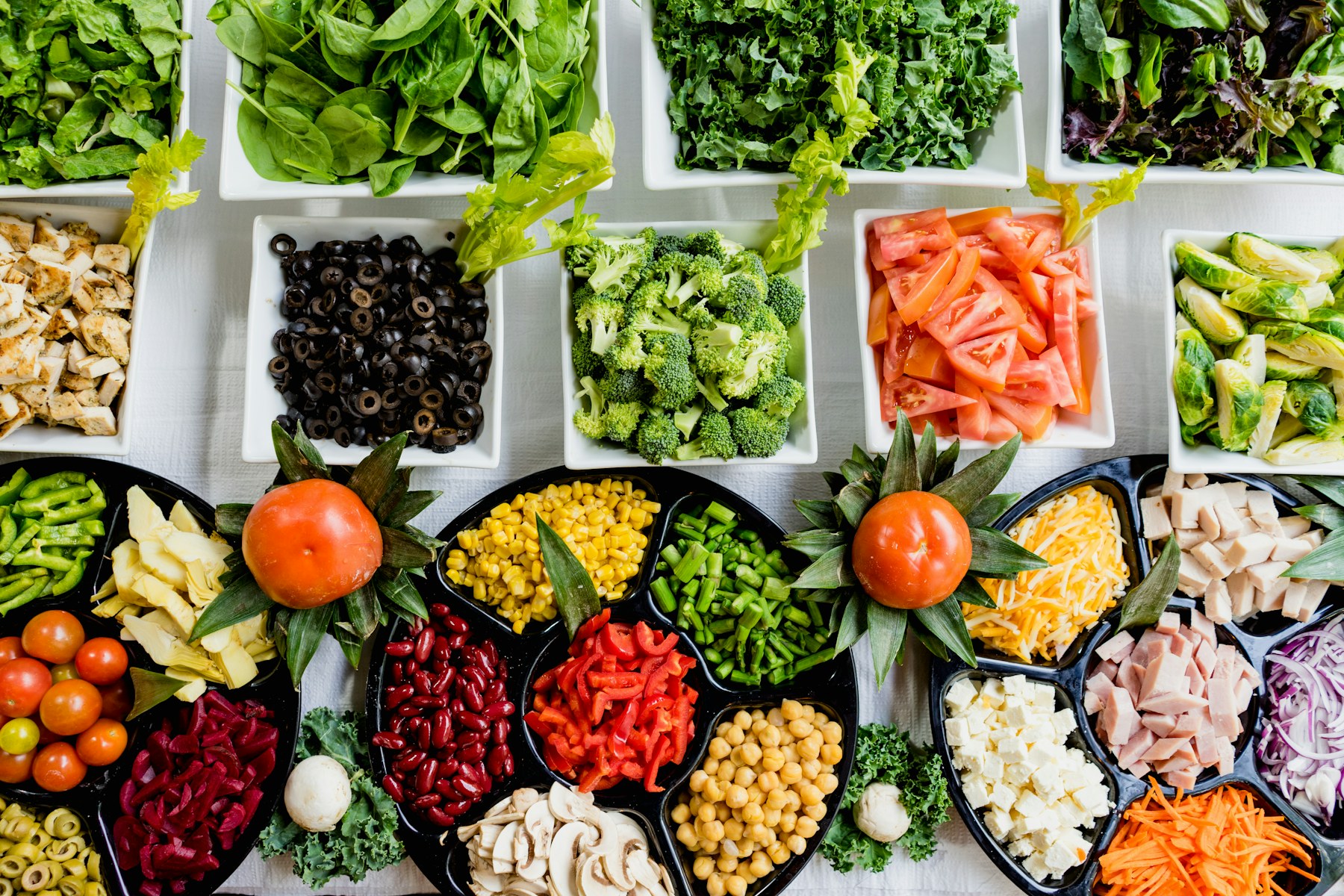
“Macros” is short for macronutrients: the three nutrients your body needs in large amounts for energy and function. Understanding them makes nutrition labels, recipes and meal plans far easier to read, and helps you build meals that support your goals.
The three macronutrients
Protein: 4 calories per gram
Protein provides the building blocks for muscle, skin, enzymes and hormones. It’s the most filling macronutrient and is especially important if you exercise or want to lose fat. Good sources include meat, fish, eggs, dairy, tofu, tempeh, beans and lentils.
Carbohydrates: 4 calories per gram
Carbs are your body’s preferred fuel, particularly for intense exercise and for your brain. Carb-rich foods range from very nutritious (oats, potatoes, beans, fruit, whole grains) to easy to overeat (sweets, pastries, sugary drinks). Fiber is a type of carbohydrate that supports digestion and fullness; most adults should aim for at least 25 to 30 g a day.
Fat: 9 calories per gram
Fat supports hormone production, helps you absorb vitamins A, D, E and K and makes food satisfying. Because it has more than twice the calories per gram of protein or carbs, portions add up quickly. Favor olive oil, nuts, seeds, avocado and oily fish.
Calories vs. macros
Your total calorie intake mainly determines whether you gain, lose or maintain weight. Your macros influence what that weight is made of (muscle or fat), how full you feel and how well you perform. Think of calories as the budget and macros as how you spend it.
How to set a simple starting point
- Set protein first: 1.6 to 2.2 g per kg of body weight (0.7 to 1 g per pound). See our protein guide for details.
- Set fat second: around 0.8 to 1 g per kg (0.35 to 0.45 g per pound), and generally no less than 20% of your calories.
- Fill the rest with carbs: whatever calories remain go to carbohydrates, with more on active days if you like.
Example
A 70 kg person eating 2,000 calories for gradual fat loss:
- Protein: 140 g × 4 = 560 calories
- Fat: 65 g × 9 = 585 calories
- Carbs: the remaining 855 calories ÷ 4 = about 214 g
Do you need to track macros?
Not necessarily. Tracking for a few weeks is an excellent way to learn portion sizes, but many people get great results with a simpler approach: a palm-sized portion of protein at each meal, half a plate of vegetables, a fist of carbs and a thumb of fats. Recipes and meal plans that list macros for you, like every recipe on Level Nutrient, give you the benefits without the spreadsheet.
The bottom line
Protein builds and protects, carbs fuel and fat supports and satisfies. Get your protein right, keep fats moderate, choose mostly fiber-rich carbs and let your calorie target decide the rest. Browse our recipes, all with macros per serving, to put it into practice.