Every fat-loss plan comes down to the same principle: consistently eating a little less energy than you burn. The problem isn’t understanding that; it’s sticking to it when you’re hungry. The good news is that what you eat has a big effect on how full you feel, so you can eat fewer calories without constantly fighting your appetite.
1. Make protein the center of every meal
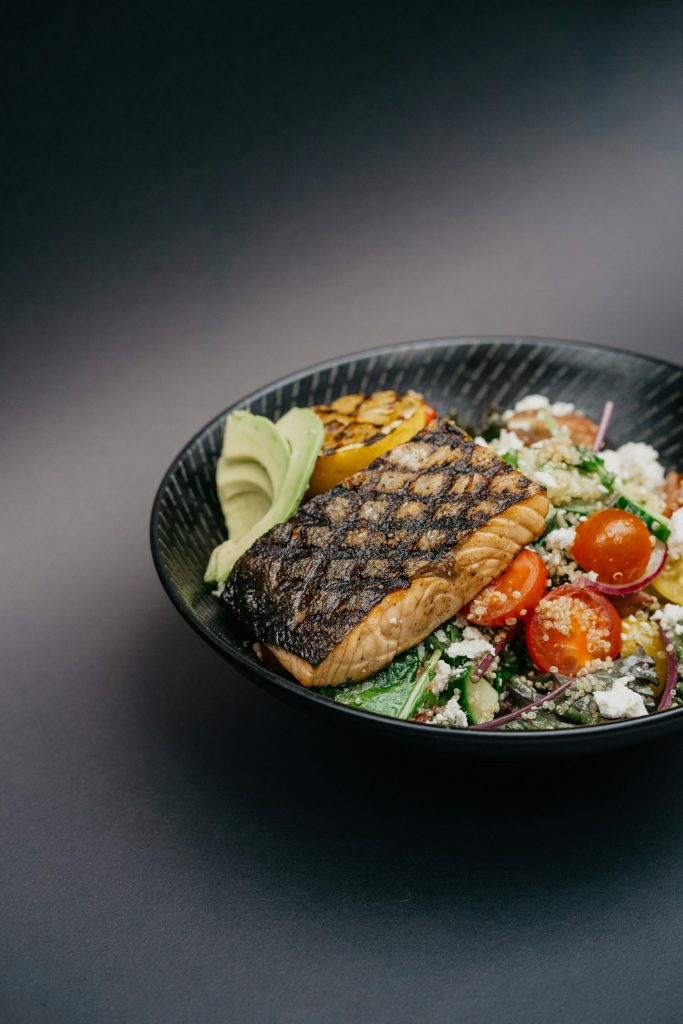
Protein is the most satiating macronutrient. Studies consistently show that higher-protein meals reduce hunger and lead people to eat less later in the day. It also helps you keep muscle while you lose fat. Aim for 25 to 40 g per meal; our protein guide explains how much you need in total.
2. Eat more high-volume foods
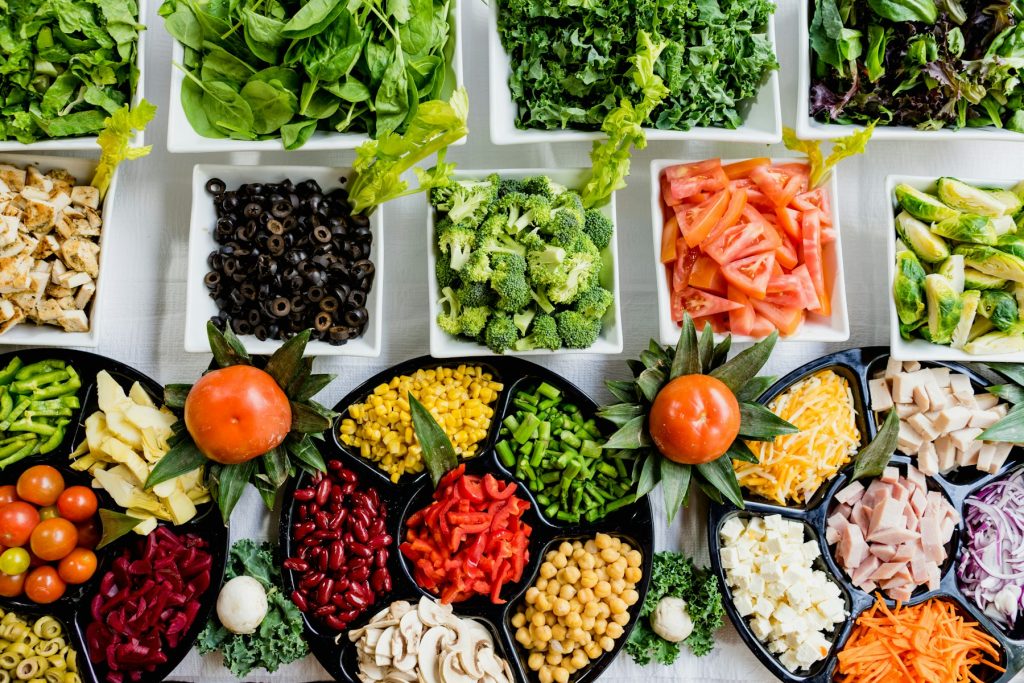
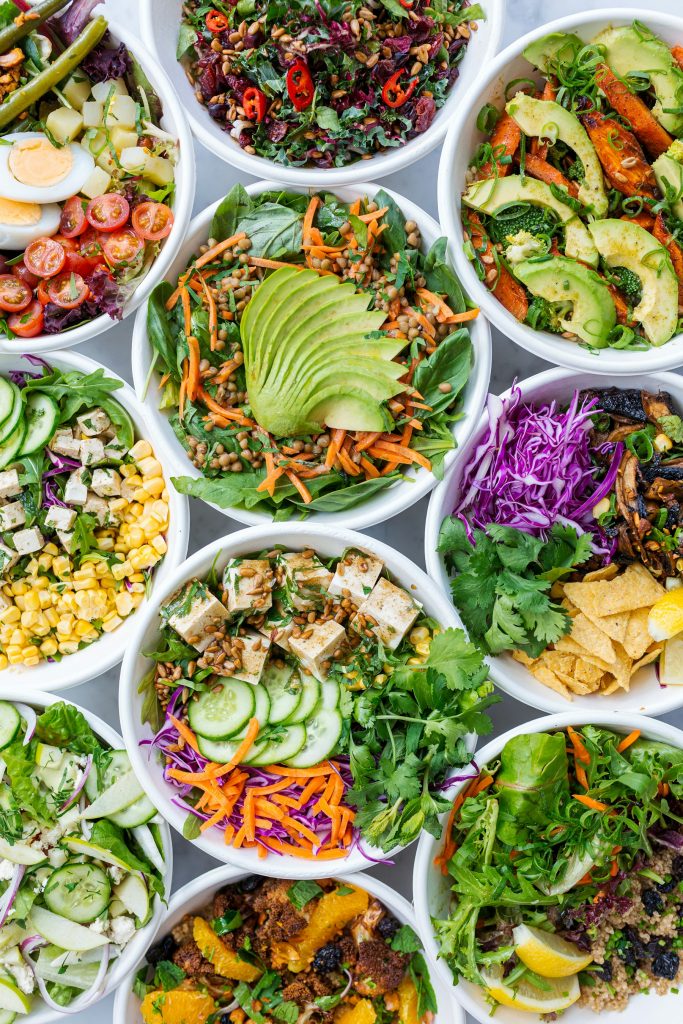
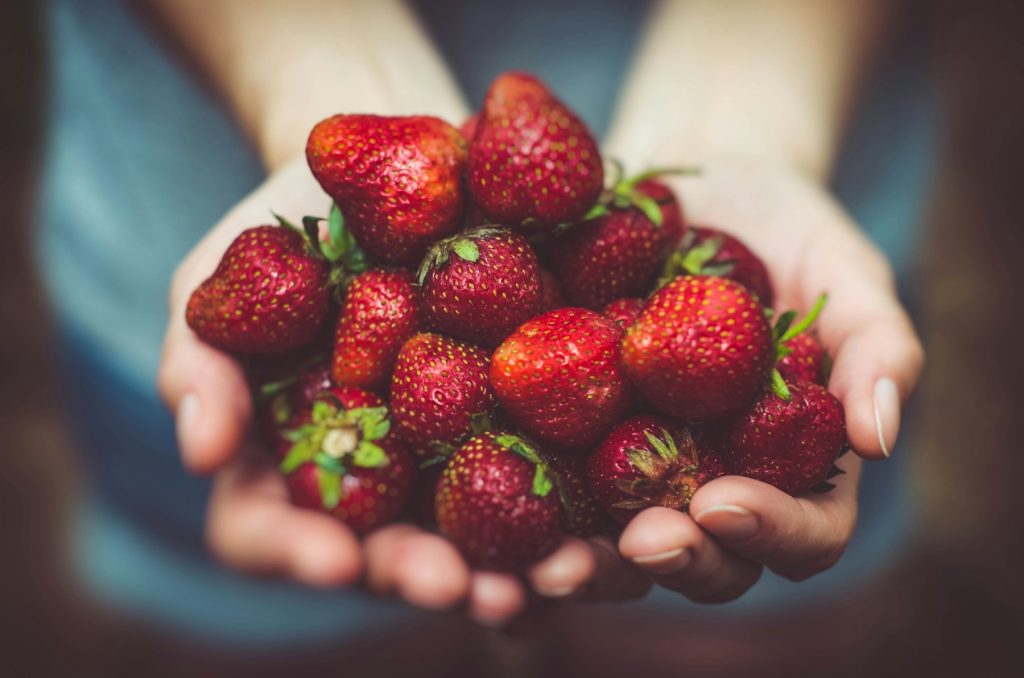
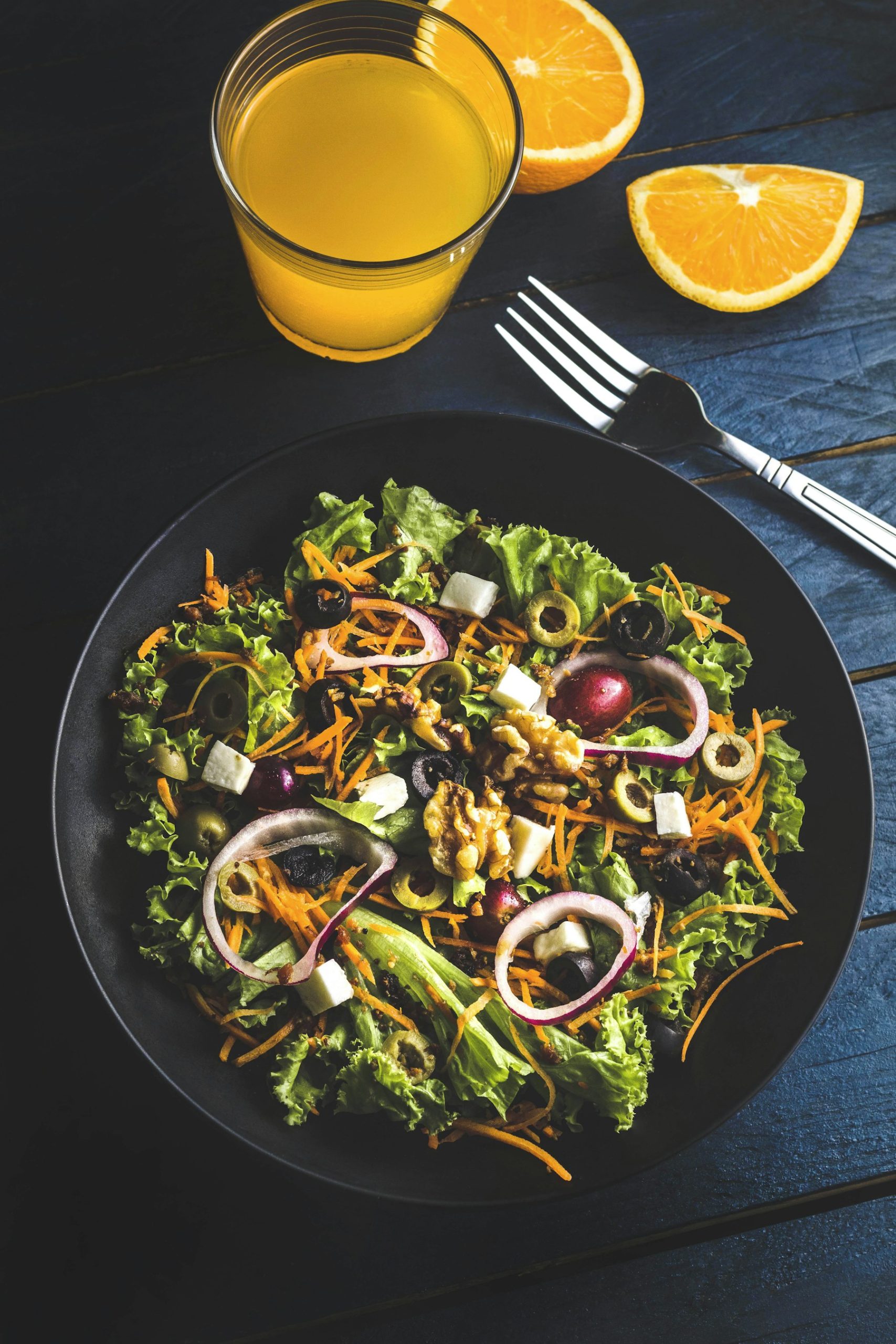
Foods with lots of water and fiber, like vegetables, fruit, potatoes, soups and salads, take up space in your stomach for very few calories. Filling half your plate with vegetables is one of the simplest ways to eat a bigger meal for the same calories.
3. Don’t drink your calories
Sugary drinks, fancy coffees, juice and alcohol add calories without making you any less hungry. Switching to water, sparkling water, tea or black coffee is often the easiest cut you’ll make.
4. Choose fiber-rich carbs
You don’t need to cut carbs to lose fat. Oats, beans, lentils, whole grains, potatoes and fruit are filling and nutritious. It’s the ultra-processed, easy-to-overeat carbs like pastries, chips and sweets that make a deficit harder.
5. Keep a moderate deficit
Cutting calories too aggressively makes hunger, cravings and fatigue much worse. For most people a deficit of about 300 to 500 calories a day, or roughly 0.5 to 1% of body weight lost per week, is sustainable and helps preserve muscle.
6. Plan your meals in advance
Hunger plus no plan usually means takeout. Having a few go-to meals ready removes the daily decision-making. Try our beginner’s meal-prep system, or let a plan do it for you.
7. Sleep enough
Short sleep increases hunger hormones and cravings, particularly for high-calorie foods. Seven to nine hours makes sticking to your plan noticeably easier.
8. Lift weights and move more
Strength training helps make sure the weight you lose is fat rather than muscle. Daily steps, from walking, taking the stairs or pacing on calls, burn more energy than most people expect without increasing appetite the way intense cardio can.
9. Keep the foods you love
A plan that bans your favorite foods rarely lasts. Build lighter versions of them instead, like turkey zucchini meatballs, a burrito bowl with cauliflower rice or a protein chocolate mousse, and enjoy the originals occasionally.
Putting it together
Protein at every meal, plenty of vegetables, a moderate deficit and a plan you actually enjoy: that’s the whole formula. For satisfying meals that already follow these principles, explore our fat-loss recipes or follow the 30-Day Fat Loss Meal Plan.
This article is general information, not medical advice. If you have a medical condition, are pregnant or have a history of disordered eating, speak to a qualified professional before changing your diet.